AutumnSpring SummerWinter
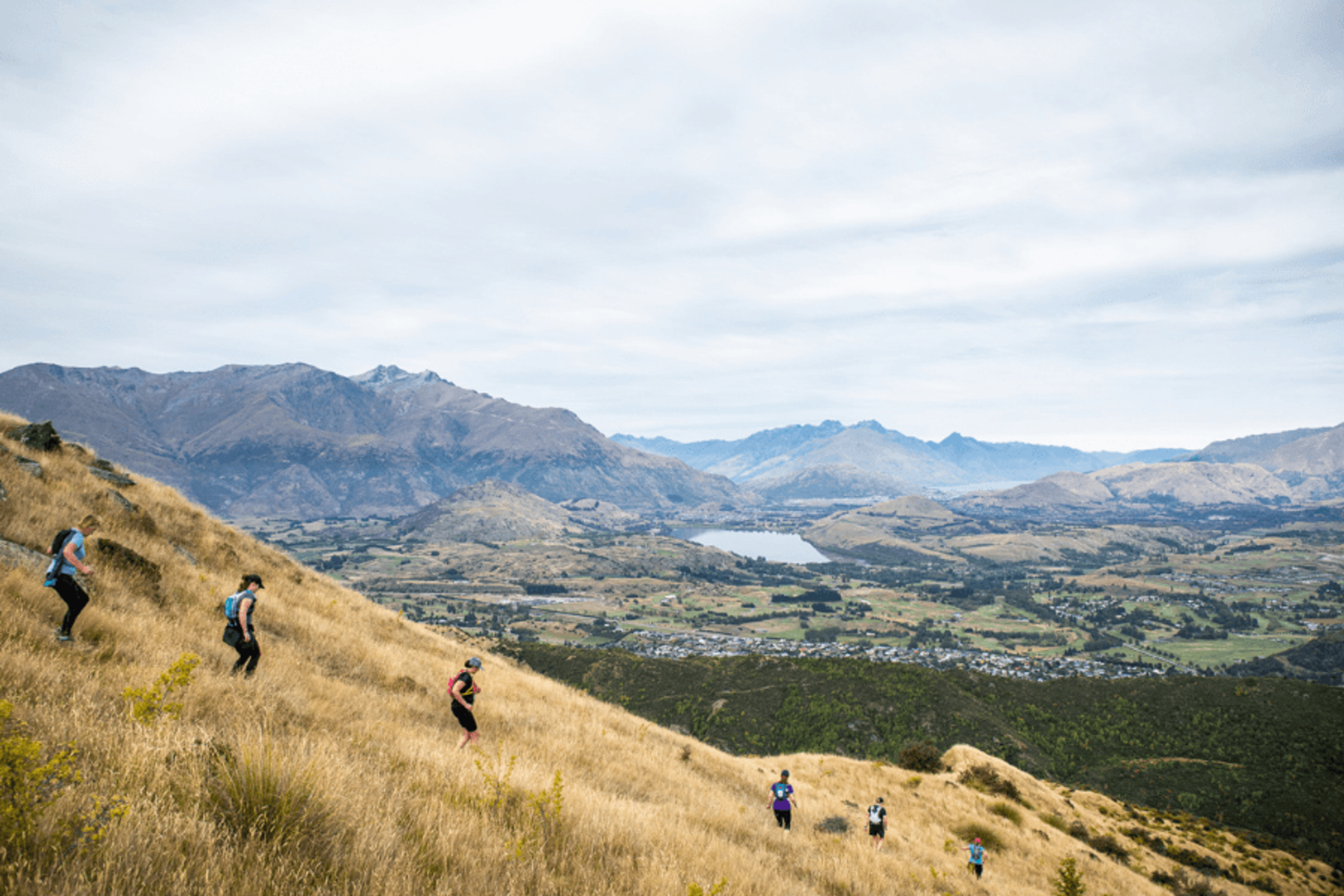
Top five trail runs in Arrowtown
Arrowtown is a spectacular playground for trail runners – we’re surrounded by scenery that will take your breath away.

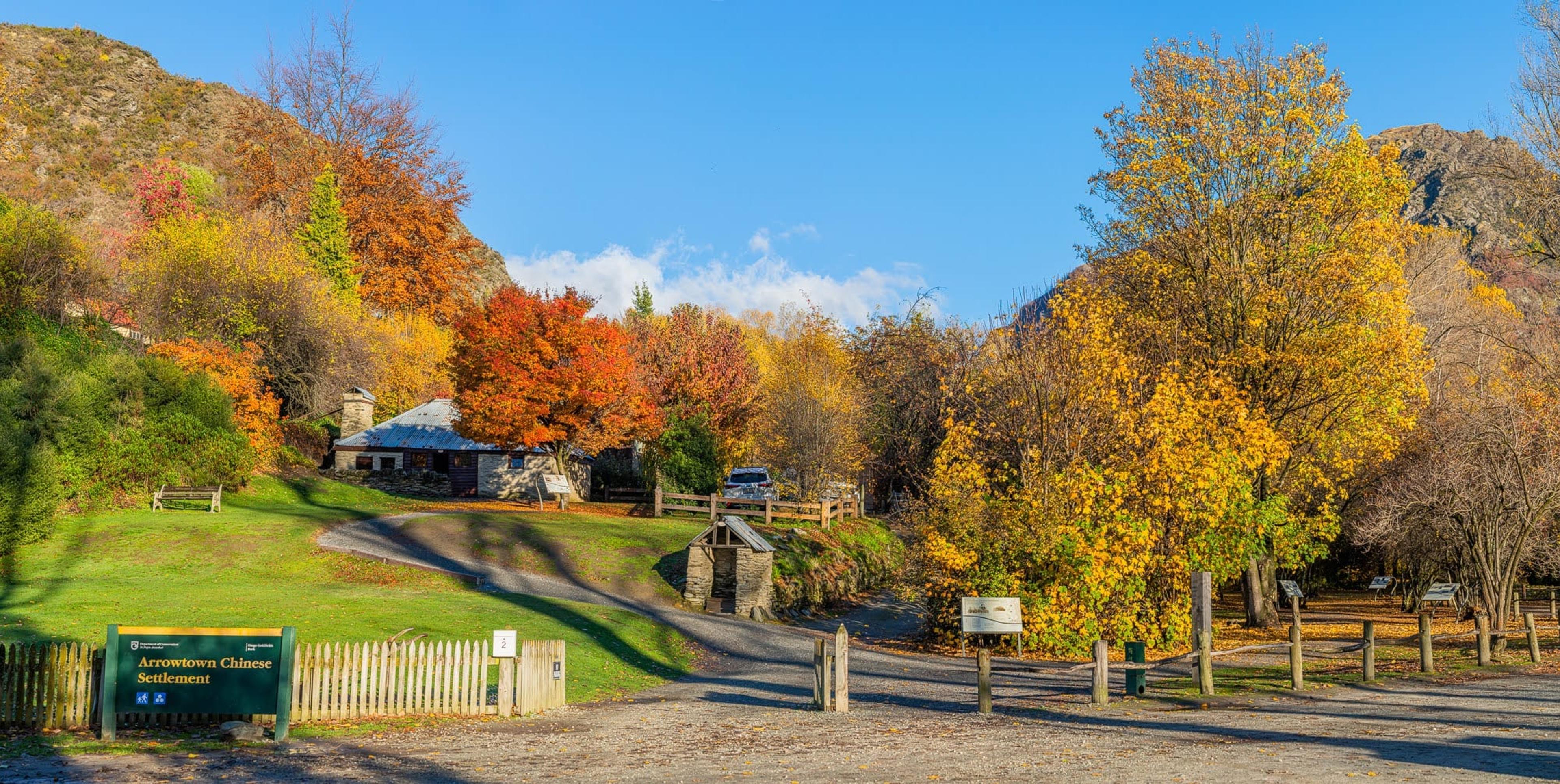
Arrowtown has been recognised as a Tohu Whenua landmark — one of 39 heritage sites around Aotearoa where history happened and where stories of gold rush communities, tāngata whenua and everyday life still live in the landscape.
Before the first cottage went up on Buckingham Street, before the gold rush changed everything, this place had a name: Kā Muriwai, a reference to the three waterways that converge here, one of which is the Haehaenui — the river we now call the Arrow. That layering of stories, Māori, European, Chinese, is what makes Arrowtown unlike anywhere else in the Southern Lakes.
In recognition of that depth, Arrowtown has been formally listed as a Tohu Whenua — a national programme that identifies the places around Aotearoa where history unfolded and where the evidence of it can still be felt. There are 39 such places across the country. Arrowtown is one of them.
What that means for a visitor is simple: the history here is not tucked behind glass. You can walk through it, stand in it, read it in the huts along Bush Creek and the schist cottages on the main street. This is what a heritage town looks like when it takes its own past seriously.
Arrowtown abounds with stories of two very different yet significant goldrush communities : Chinese and European, and has been recognised as Tohu Whenua - a place to explore where history happened
Tohu Whenua is a free itinerary of landmarks that tell our stories. There are now 39 locations recognised as Tohu Whenua around the country, from Maori pā sites, mission stations that witnessed many first meetings, to towns, farms and other settlements linked by groundbreaking railways and other early industry
Located in stunning landscapes and rich with stories, they offer some of our best heritage experiences.
Before Arrowtown was established the area was known by tāngata whenua as Kā Muriwai, a name which references the three waterways, one of which is the Haehaenui or the Arrow River. The goldrush was sparked when Jack Tewa, a Māori shearer, showed his Pākeha mates a gold nugget he’d found, dramatically changing the landscape forever
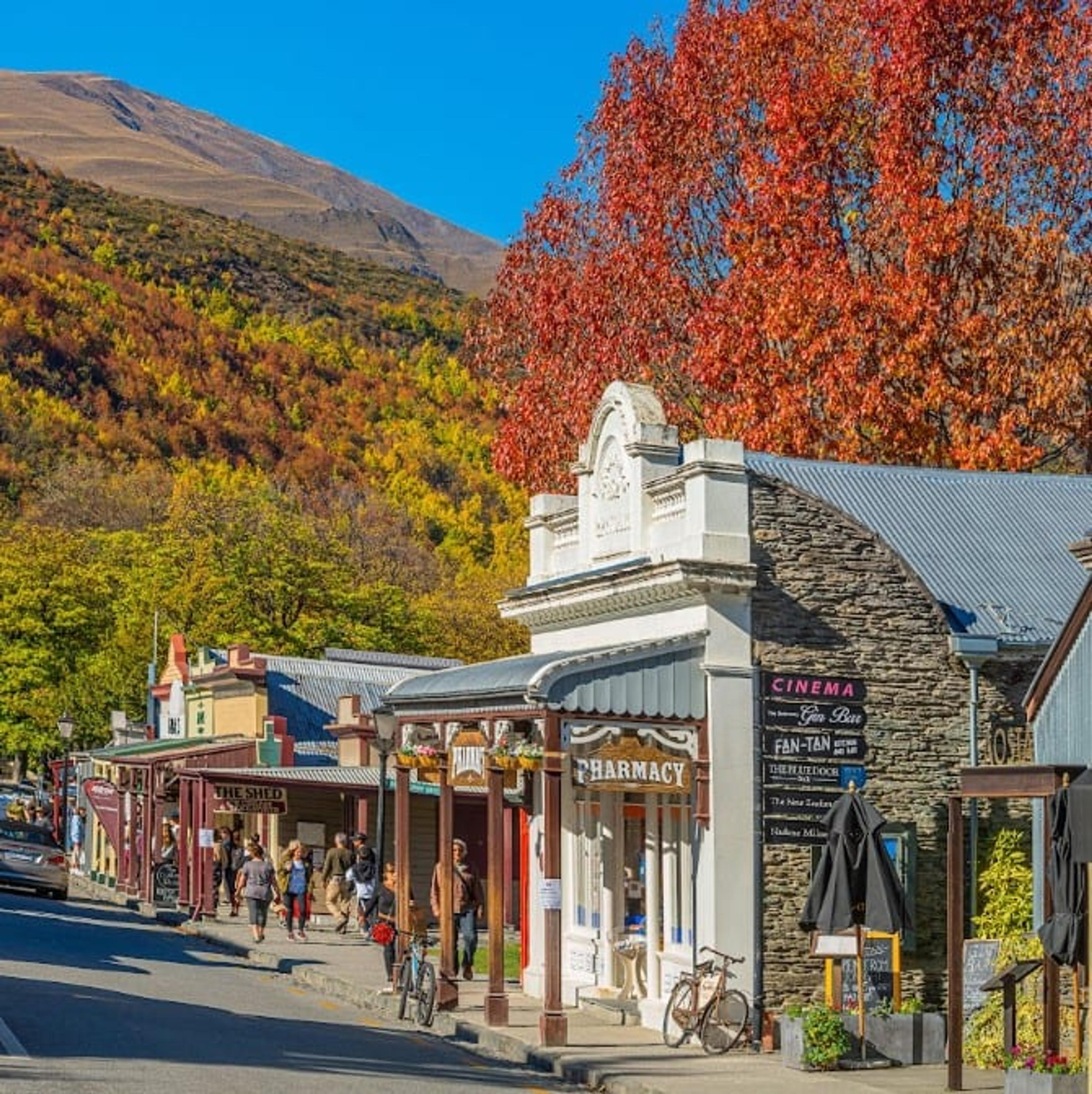
Visitors to Arrowtown still get a very real feel for that mid-19th century goldrush. Charming heritage buildings that have been lovingly restored, activities such as gold panning, themed festivals, and meeting colourful locals. The cottages and buildings in historic Buckingham Street precinct represent the original core of economic activity within the town. Chinese gold miners also flocked to this area and in 1874
there were 3,564 Chinese people living in Otago. The Chinese community were forced to live in huts along isolated gullies on the banks of Bush Creek at the edge of town. Many of the huts have been restored by the Department of Conservation, offering visitors the chance to step back into that era and see up close the toil and modest living conditions of Chinese miners.
Tohu Whenua acknowledges memories of the land, marking places made significant by our forebears and telling their stories. Other Tohu Whenua sites include individual buildings such as Dunedin Railway Station, heritage parks like Kororipo and Rangihoua in Te Tai Tokerau Northland, city precincts such as Historic Oamaru and journeys such as the Otago Central Rail Trail. The good news is that some of these
Tohu Whenua locations are very close to Arrowtown – you can see the Otago itinerary here.
Close by is the Kawarau Suspension Bridge, made famous by A.J. Hackett’s bungy jumping, which you can also hike or cycle across anytime as part of the Gibbston River Trail. The bridge was built in 1880, winning an international engineering award for its daring design over a dramatic canyon.
At the other end of Kawarau Gorge, Bannockburn Sluicings near Cromwell offer hiking and mountain biking opportunities amongst dramatic, manmade canyons formed by large-scale water blasting during the 19th century search for gold. The other nearby Tohu Whenua is Queenstown-based TSS Earnslaw, one of the world’s oldest and largest remaining coal-fired steamships that has graced Lake Wakatipu
since 1912.
For more information about Tohu Whenua visit www.tohuwhenua.nz or follow @tohuwhenua on Facebook and Instagram.
Tohu Whenua are the places that have shaped Aotearoa New Zealand. Located in stunning landscapes and rich with stories, they offer some of our best heritage experiences. View more about Arrowtown's history on Our History page.
Arrowtown is a spectacular playground for trail runners – we’re surrounded by scenery that will take your breath away.
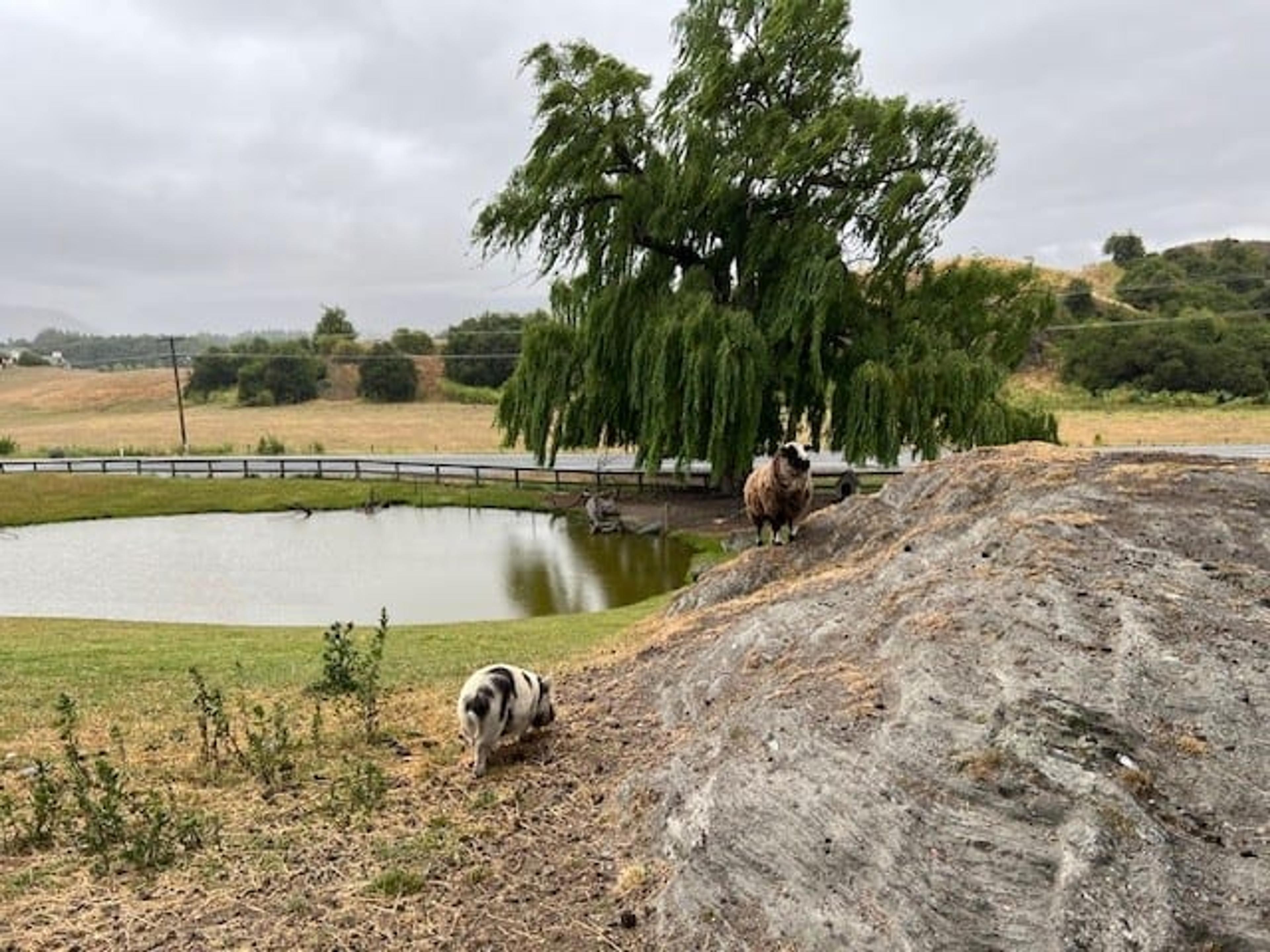
Arrowtown is an autumnal wonderland for families with many events, outdoor adventures, and indoor activities to satisfy…
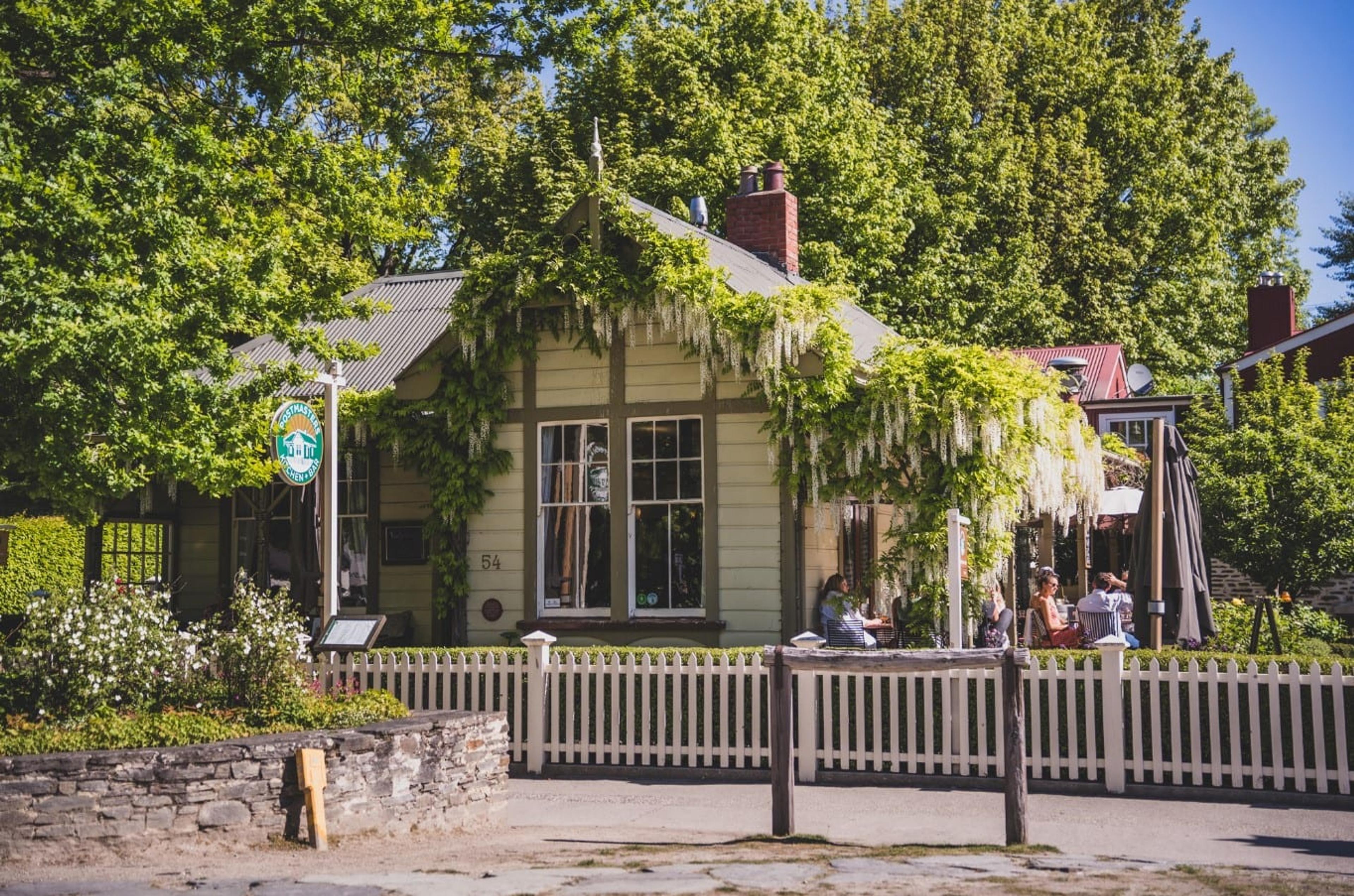
The warm days and long evenings of spring and summer in Arrowtown are perfect for dining outdoors (al fresco).


© Arrowtown NZ 2026 This website is owned and managed by the Arrowtown Promotion and Business Association (APBA)